



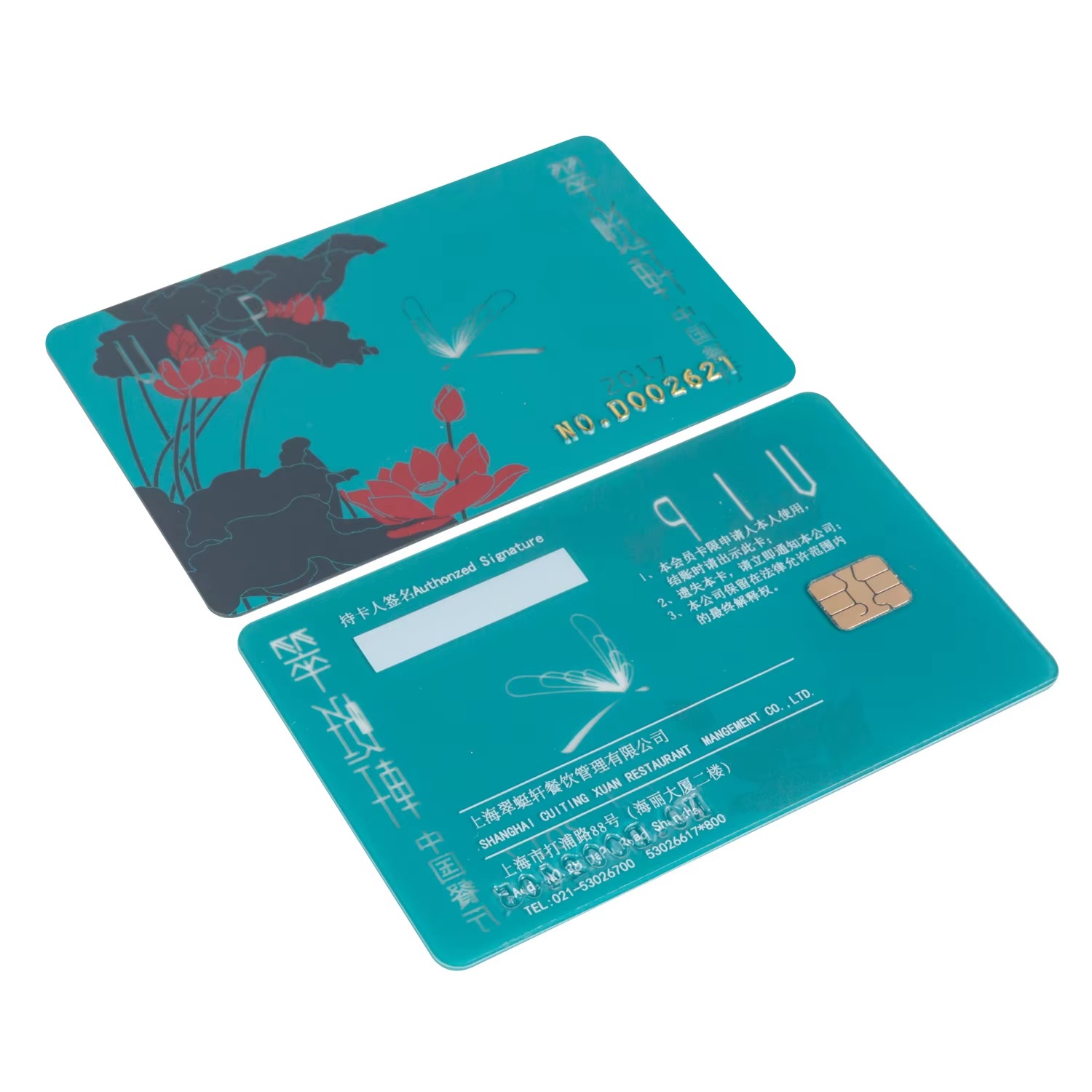
In an era defined by digital transformation, the humble **PVC RFID Smart Card** remains one of the most reliable, secure, and versatile tools for identification, access, and transaction processing. From hotel key cards to employee badges and contactless payment systems, these cards are ubiquitous.
Understanding how they are made reveals why they dominate the market. Below is an overview of the manufacturing process followed by the **Top 10 Advantages** that make them indispensable.
The Production Process
The manufacturing of PVC RFID smart cards is a precise, multi-step process that merges physical durability with complex electronic functionality.
1. Sheet Extrusion & Core Preparation
The process begins with high-grade Polyvinyl Chloride (PVC) granules. These are melted and extruded into thin, flat sheets. For RFID cards, a "core" layer is prepared which houses the **inlay**—a substrate consisting of an antenna coil (usually copper or aluminum) and an integrated circuit (IC) chip.
2. Inlay Encapsulation (Lamination)
The core layer containing the inlay is sandwiched between outer PVC layers. These layers are placed in a hydraulic lamination press. Under extreme heat (approx. 150°C) and high pressure, the PVC layers fuse together, encapsulating the delicate electronics in a solid, void-free block of plastic. This ensures the chip is protected from physical stress and moisture.
3. Punching and Milling
Once the large laminated sheet (or "book") has cooled, it is cut into individual card formats (CR80, the standard credit card size, or CR80 with a SIM card tray). High-precision milling machines punch the cards out to ensure ISO standard dimensions (85.6mm x 54mm).
4. Printing
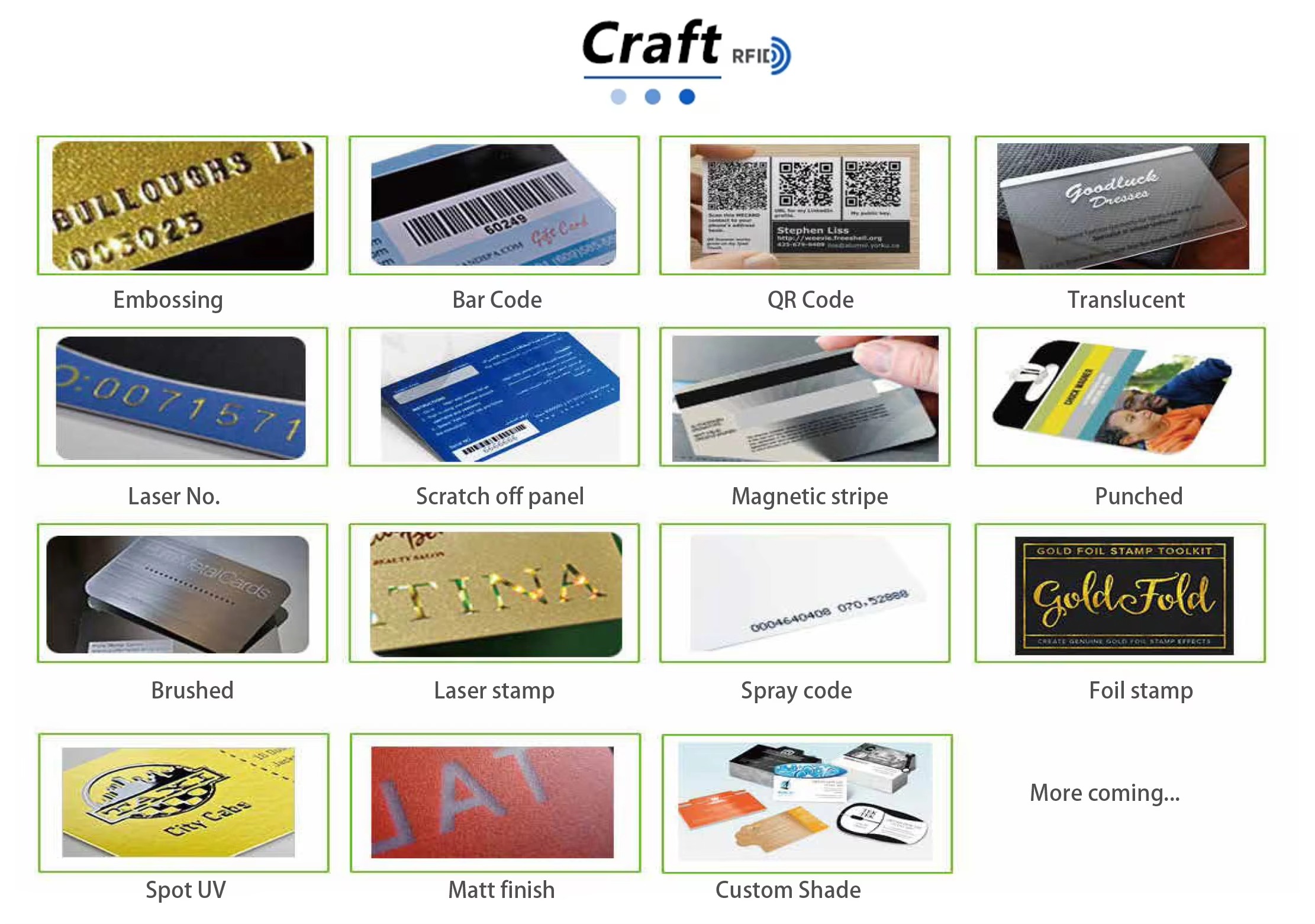
The cards undergo printing, typically via **offset printing** for high-volume solid colors or **digital/screen printing** for variable data (like employee names and photos). For high-end security and durability, **dye-sublimation** (reverse transfer) printing is used to print edge-to-edge without white borders.
5. Personalization & Encoding
This is the final critical step. The card is inserted into an encoder that writes data to the RFID chip (HF, LF, or UHF). Simultaneously, visual personalization (holograms, magnetic stripe encoding, embossing) is applied. Quality control tests verify that the RF frequency is stable and the chip responds correctly to readers.
Top 10 Advantages of PVC RFID Smart Cards
1. Exceptional Durability and Longevity
PVC (Polyvinyl Chloride) is a tough, abrasion-resistant plastic. Unlike paper tickets or magnetic stripe cards, PVC RFID cards are resistant to bending, scratching, and tearing. The lamination process seals the chip and antenna, making them waterproof and capable of lasting 5 to 10 years in typical use, even in harsh environments.
2. Contactless Convenience
The primary advantage of RFID technology is convenience. Users do not need to "swipe" or insert the card into a reader. With **proximity technology** (HF/NFC), the card only needs to be waved within a few centimeters of a reader. For **UHF** (Ultra-High Frequency), range can extend to several meters, allowing for seamless access control and inventory management without physical contact, reducing wear and tear on both the card and the reader.
3. High-Level Security
RFID smart cards offer vastly superior security compared to magnetic stripe cards.
- **Encryption:** Data transmitted between the card and the reader is encrypted, preventing eavesdropping (skimming).
- **Mutual Authentication:** The card and reader verify each other’s identity before transmitting sensitive data.
- **Anti-Cloning:** Modern chips (like MIFARE DESFire or iCLASS Seos) contain cryptographic algorithms that make them virtually impossible to clone.
4. Versatility and Multi-Application Support
A single PVC RFID card can serve multiple functions. This is known as **multi-application** capability.
- *Example:* A corporate ID card can:
1. Unlock office doors (Access Control).
2. Pay for cafeteria lunch (Cashless Vending).
3. Log into computers (Logical Access).
4. Operate the photocopier (Print Management).
5. Resistance to Environmental Factors
Magnetic stripes are easily demagnetized by cell phones or magnetic clasps. PVC RFID cards rely on radio frequency, making them immune to magnetic interference. They also maintain integrity in extreme temperatures (within the operational range of the chip, typically -25°C to 70°C) and are resistant to UV radiation, preventing fading and warping.
6. Customizable Aesthetics and Branding
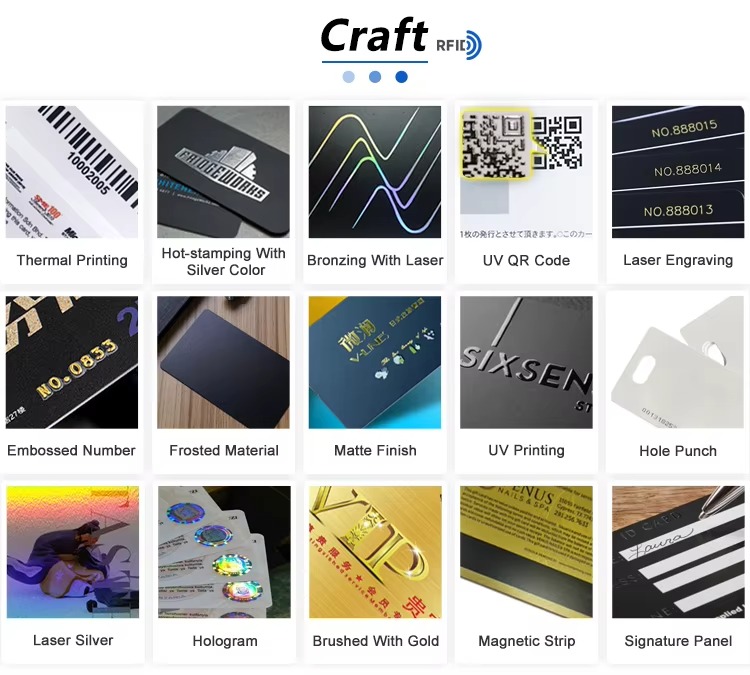
PVC is an excellent substrate for high-quality printing. Cards can be customized with:
- **Full-color logos** and complex graphics.
- **Holograms** and **OVI (Optically Variable Ink)** for anti-counterfeiting.
- **Signature panels**, **embossing**, and **transparent windows**.
This allows organizations to use the card not just as a tool, but as a powerful branding and marketing asset.
7. Cost-Effectiveness
While the initial setup for RFID chips is higher than for basic magstripe cards, the **Total Cost of Ownership (TCO)** is lower. Because they are contactless, they require less maintenance than mechanical readers (which suffer from debris in swipe slots). Their durability means fewer replacement cards are needed, offering significant savings over large-scale deployments.
8. Large Data Storage Capacity
Unlike a magnetic stripe, which holds only a few bytes of static data, RFID chips (especially **NFC** types) offer substantial read/write memory (from 144 bytes to several kilobytes). This allows organizations to store biometric templates, transaction logs, or custom application data directly on the card rather than relying solely on a centralized database.
9. Fast Processing Speeds
Contactless RFID cards facilitate rapid throughput. In high-traffic environments such as subway systems or corporate entry gates, a transaction or access grant takes less than **100 milliseconds**. This reduces queues and enhances user experience, making it ideal for mass transit and event management.
10. Eco-Friendly and Recyclable Options
Modern manufacturing has evolved. While PVC has environmental considerations, the industry now offers **recycled PVC** and **PLA (Polylactic acid)** alternatives that maintain the durability of traditional cards. Furthermore, because RFID cards replace the need for paper tickets and reduce the frequency of card replacement due to wear, they contribute to lower overall waste in long-term access and payment systems.
Conclusion
PVC RFID Smart Cards represent the perfect intersection of physical resilience and digital security. Through a meticulous manufacturing process involving lamination, precision cutting, and electronic encoding, these cards deliver a robust platform that offers **durability, security, and unparalleled convenience**.
From securing enterprise assets to enabling seamless public transit, the top 10 advantages outlined above confirm why PVC RFID technology remains the industry standard for identification and access management in the 21st century.