



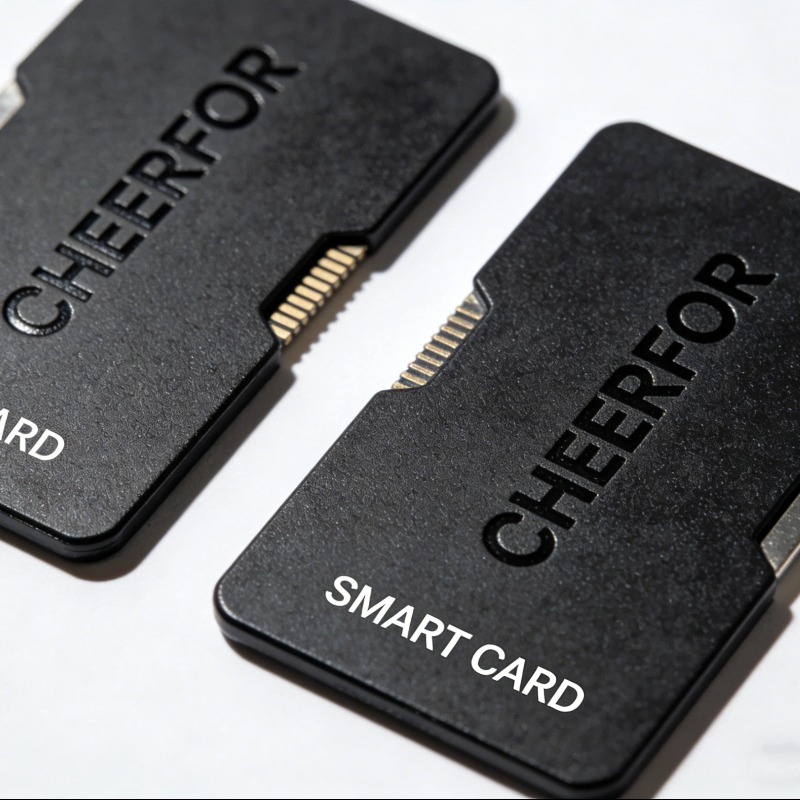
 Introduction to Smart Cards & RFID Technology
Smart cards, particularly those powered by Radio-Frequency Identification (RFID) and Near Field Communication (NFC) technologies, have evolved from simple access tools into sophisticated digital keys for modern life. These cards contain embedded microchips and antennas that enable contactless communication with readers, facilitating secure and instant data exchange. As the backbone of seamless digital interaction, they are transforming how we access services, make payments, and manage information across personal, commercial, and industrial domains.
Key Modern Applications in Daily Life
The application of smart cards is ubiquitous and growing. In the hospitality sector, hotel key cards provide secure, programmable room access. In retail and logistics, smart RFID tags enable real-time inventory tracking, anti-theft measures, and efficient supply chain management. For consumers, **NFC credit/debit cards and mobile wallets like Apple Pay have revolutionized payments with a simple tap. Beyond these, they are used in public transportation passes (e.g., transit cards), corporate ID and access control, electronic passports, and even in healthcare for patient identification and medical record access.
Top 10 Advantages of Smart Card Technology
1. Contactless Convenience: Enables quick transactions and access without physical insertion or swiping.
2. Enhanced Security: Chips employ encryption, authentication protocols, and dynamic data to combat fraud and cloning.
3. Speed and Efficiency: Drastically reduces transaction and processing time in payments, access control, and identification.
4. High Data Capacity: Can store significantly more encrypted data than magnetic stripes, supporting multiple applications on one card.
5. Durability and Longevity: Lacking exposed magnetic strips or mechanical contacts, they are more resistant to wear and damage.
6. Versatility and Integration: A single card can combine functions like access, payment, and ID.
7. Improved User Experience: Simplifies processes for customers and employees, enhancing service flow.
8. Operational Efficiency: Automates data collection (e.g., inventory management), reducing manual labor and errors.
9. Strong Authentication: Provides robust verification of holder identity for physical and logical access.
10. Traceability: Offers detailed logs for access events, transactions, or asset movement, aiding security and analytics.
Conclusion
Smart card technology, led by RFID and NFC, has firmly established itself as a critical enabler of a more connected, efficient, and secure world. Its top ten advantages—from unmatched convenience and robust security to operational versatility—clearly explain its rapid adoption across sectors. As the Internet of Things (IoT) expands and demand for seamless digital integration grows, the role of the intelligent card will continue to evolve. Future advancements may integrate biometrics or connect deeper with smart city infrastructures, ensuring that this compact technology remains at the forefront of our digital transformation.
ONE-STOP Supplier Of Plastic In All Forms
We supply different small size plastic sheet, Contact us for the size you need for quotation .
We supply OEM/ODM service for Color/ Logo/Package/Cut to small size plastic products
Feel free to contact us for samples. www.cheerforplastic.com
#AcrylicSheet #CustomAcrylic #UVPrinting #Polycarbonate #PVCBoard #PlasticSupplier #LaserCutAcrylic#PlexiglassDesign#uvflatbedprinter
#DigitalPrinting #AcrylicArt#UVPrintDemo# #AcrylicSigns #StorefrontDesign#B2B #MadeInChina#TransparentPlastic #RetailDesign#
#InkjetorLaserPrintPVC/PET/PCSheet#laminate#CardMaterial#silkscreenprinting#Printable#Laser#digitalprintingfilm##RFIDInlay#UHFRFIDInlay#HF/NFCInlay#RAINRFID##RFIDCARD#SMARTCARD